
Executive Concept Overview
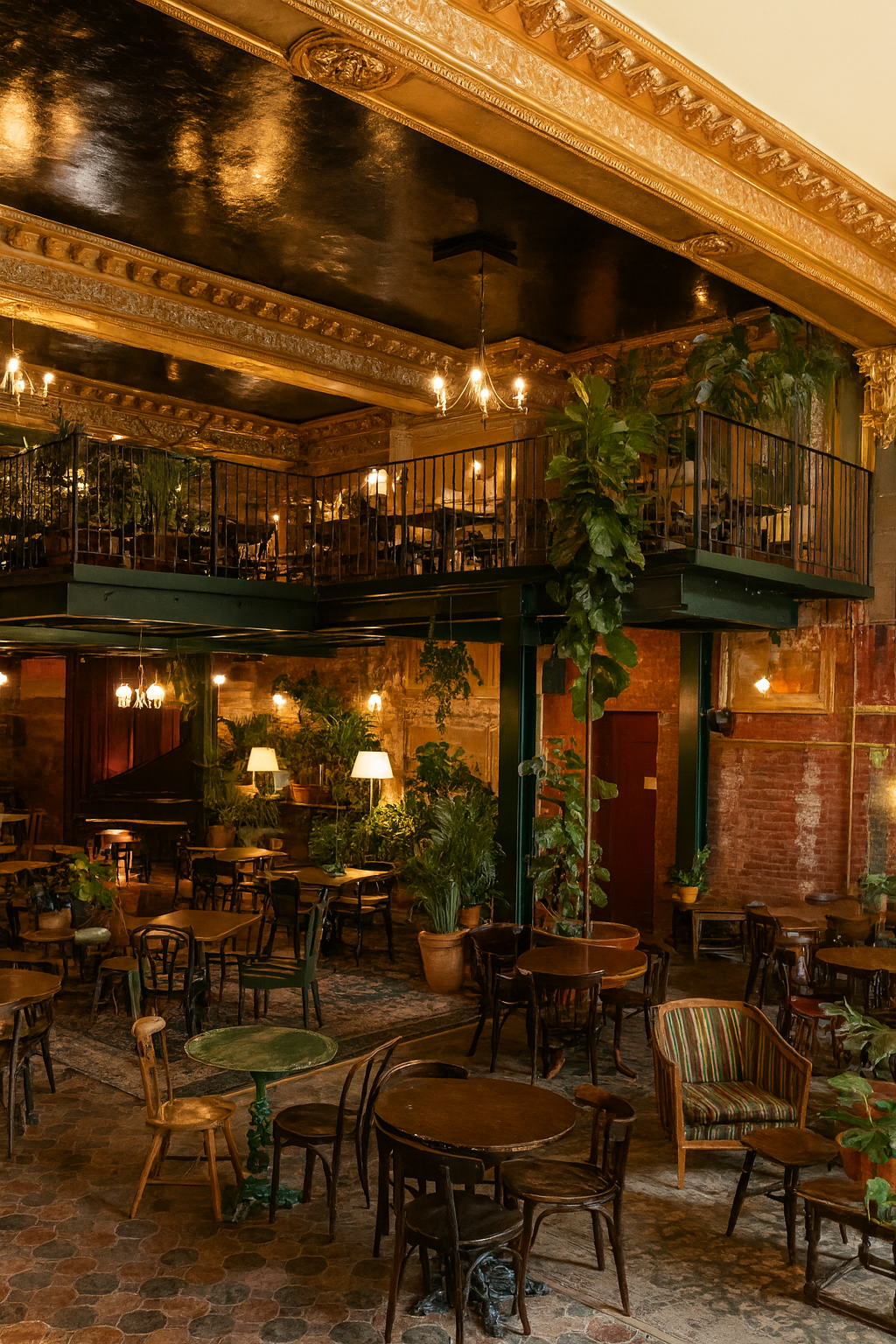
This project is envisioned as a timeless yet exuberant landmark, a maximalist and bohemian dinner club and event space grounded in warmth, intimacy, and cultural energy. The space is designed to feel residential, inviting, and charming, offering a sense of familiarity while remaining visually rich and expressive. Operating as a full day venue, it transitions organically from café to restaurant to evening performance space.
During the day, the venue functions as a relaxed European-style café and lunch destination, approachable and comfortable for regular neighborhood use. In the evening, it transforms into a lively dinner club and cultural gathering space. Live programming is curated in collaboration with Bedroc, anchoring the venue within Montreal's independent music and arts ecosystem. Performances, artist showcases, and community-driven events are not add-ons but central to the identity of the space.
Food and drink are refined yet accessible, prioritizing quality and care over exclusivity. The goal is to create a place people return to often, not just for special occasions, but as part of their routine. At its core, the concept is about connection, familiarity, and shared experience.
Target Market
The primary audience is adults aged 20 to 40, with a median annual income between $40,000 and $80,000. This demographic reflects Montreal's creative, culturally engaged population: people who value atmosphere, experience, and authenticity.
Morning and afternoon service is geared toward local residents and regulars, emphasizing affordability, warmth, and consistency. Evening service shifts slightly in tone and pricing, appealing to a broader audience drawn by live performances, social energy, and curated dinner experiences. This day-to-night structure allows the venue to remain welcoming and accessible while also supporting higher-margin evening programming.
Ages 20-40
Creative, culturally engaged demographic
$40K-$80K
Median annual income range
Experience-Driven
Values atmosphere and authenticity
Why Montreal
Montreal offers a uniquely strong foundation for this concept. As the food capital of the country, the city has a deeply embedded dining culture alongside a globally recognized music scene. Despite this, there remains a lack of mid-scale venues that successfully combine dining, live performance, and community gathering under one roof.
The city's walkable neighborhoods, younger population, and affordable public transit encourage frequent visitation and strong local engagement. Montreal's cultural history, particularly in Quebec's culinary and musical traditions, naturally supports a venue rooted in craft, creativity, and conviviality.
The project is further strengthened by Montreal's festival calendar. Events such as Pop Montreal, Osheaga, Jazz Fest, and Formula 1 weekend create opportunities for after-parties, block events, and extended programming. These moments allow for increased visibility and revenue without requiring permanent changes to operations.
Location Strategy
The ideal location is situated in a transit-accessible neighborhood with a strong sense of local identity and community. Priority is given to historical buildings that offer character, texture, and architectural presence, allowing the space to feel layered and grounded rather than newly constructed.
The layout benefits from multiple rooms or floors, enabling flexible programming, private events, and varied guest experiences. This structure allows quieter dining, live music, and social gathering to exist simultaneously without competing with one another.
Target Neighborhoods
- • Mile End
- • Plateau
- • Little Italy
- • St Henri
- • Chinatown
- • Rosemont
- • Outremont
- • Quartier des Spectacles
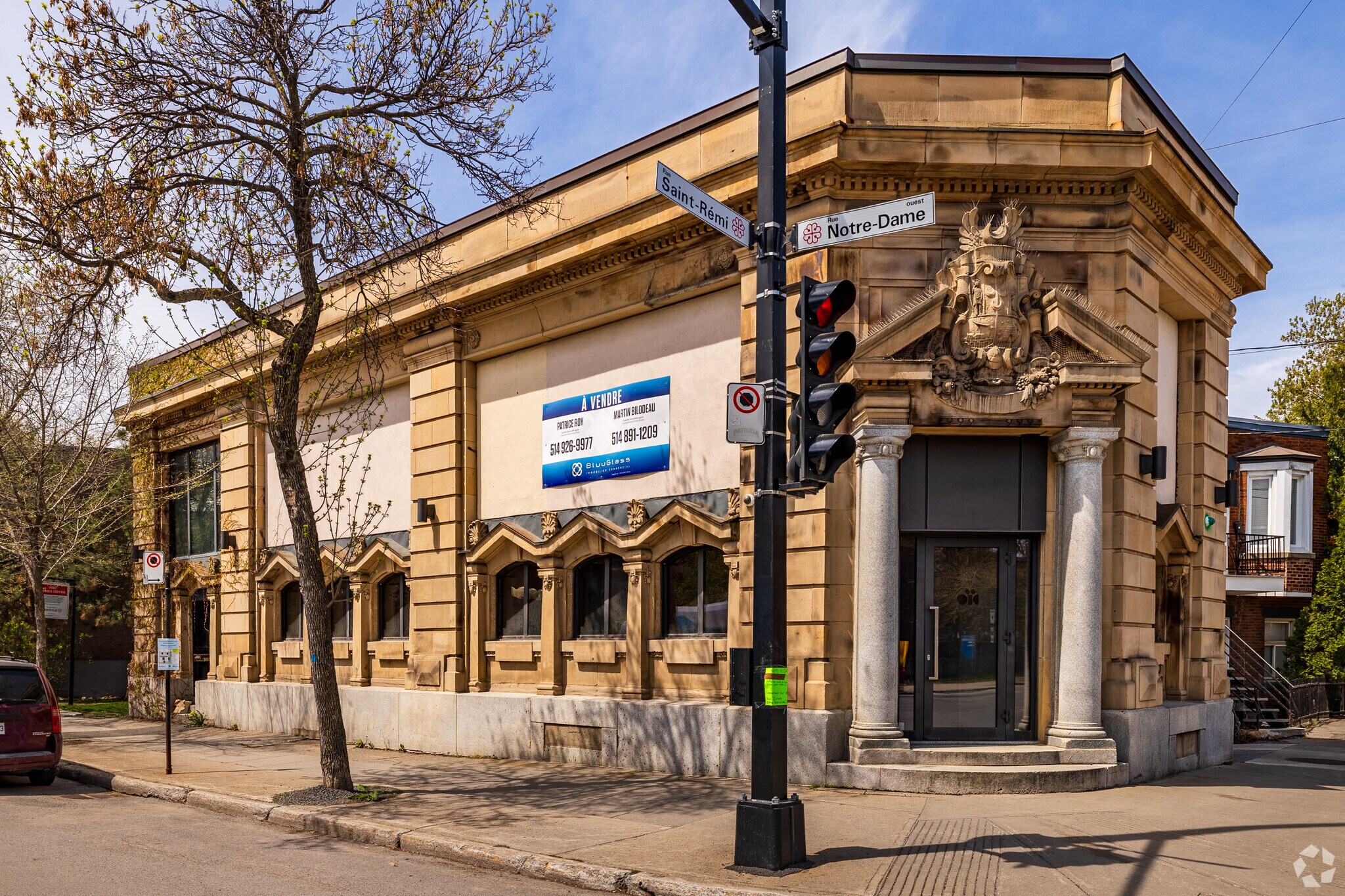
Featured Property: 5001 Notre-Dame
- **Former Molson Bank** - Impressive historic facade
- **6,479 sq ft** plus 530 sq ft terrace
- **Multi-floor layout** with separate entrances
- **Liquor license** for 159 patrons (active)
- **Includes** all restaurant/bar equipment
Design Philosophy
The design approach is intentionally **hypermaximalist and European residential**. Rather than feeling staged or minimal, the space is meant to feel lived in, collected, and personal. Warmth, texture, and visual abundance are used to create emotional comfort and a sense of belonging.
Materials and Finishes
The material palette focuses on classic elements that age well and feel substantial:
These materials work together to create an environment that feels timeless and tactile, reinforcing the venue's identity as a long-term neighborhood fixture.
Spatial Arrangements
Furniture and layouts prioritize comfort and informality. Vintage and mismatched pieces, built-in booths, lounge areas, and a mix of high-top, low-top, and bar seating encourage guests to settle in, linger, and return frequently.
Tableware and Details
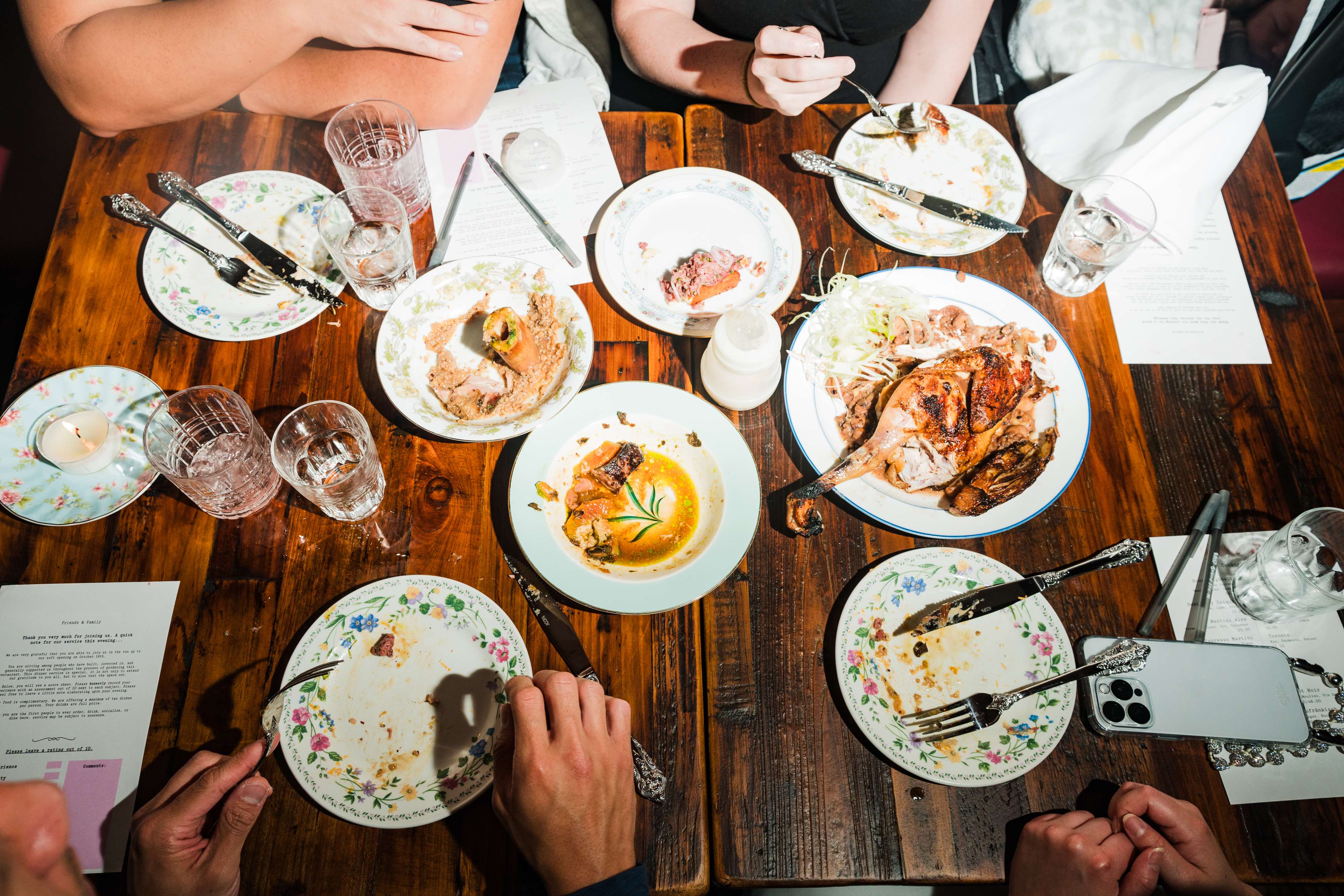
Table settings reinforce the residential and eclectic atmosphere. Thrifted and vintage china, French-style glassware, ornate silverware, English tea sets, and mismatched coffee cups add character and warmth. These small details communicate care and humanity, fostering emotional attachment to the space.
Brand Identity
The name La Grande Georges is phonetically ambiguous, straddling both French and English. It is bold, flamboyant, and gilded—intentionally exuberant without being self-serious. The name implies scale and celebration, while avoiding the minimalism or restraint often associated with contemporary fine dining.
Visually, the brand is rich and theatrical. Graphic elements reflect Art Nouveau flourishes, ornamental typography, and a warm, saturated color palette. This identity is carried through all public-facing materials, from menus to signage to table settings, creating a cohesive, recognizable presence.